
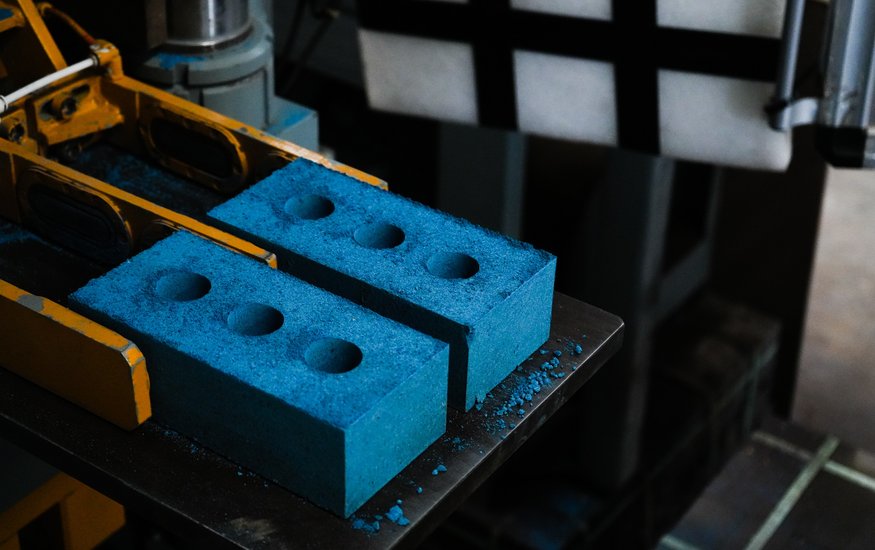
Kenoteq is a pioneering UK manufacturer of award-winning ultra-low carbon, architectural and decorative materials - the K-BRIQ®, K-SLIP™ and new terrazzo K-TILE™ - made from near 100% recycled UK construction and demolition waste. Proving that design can be achieved without compromise, the versatile interior and exterior products are available in a wide array of colours created from recycled pigments. The unfired products are durable, low risk, low carbon substitutes for ceramic bricks and tiles and are 100% recyclable. With a competitive technical specification and no impact to programme or design intent, the K-BRIQ® is certified by the British Board of Agrement (BBA).

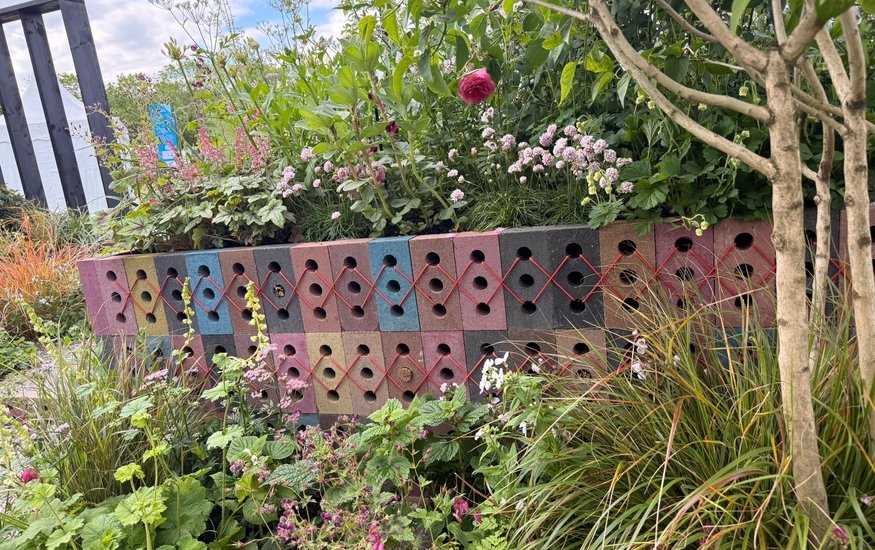

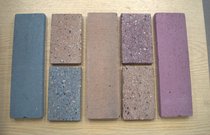
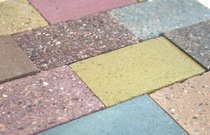
Edinburgh-based Kenoteq is focused on creating aesthetic, ultra low carbon, resource efficient building and surface materials – the K-BRIQ®, K-SLIP™ and K-TILE™ - all whilst reducing the perilous construction waste pile, eliminating high temperature firing and the need to excavate the earth’s precious finite materials in their creation. The circular economy and low energy production approach results in strong, durable materials that bring both visual and environmental impact in external, interior and landscaping applications. The products’ have at least 95% less of a carbon footprint than traditional ceramic equivalents. The products have won multiple innovation, environmental and construction awards and have been showcased in leading displays at both COP26 in Glasgow, COP28 in the UAE, the Design Museum and were the ‘hero’ products in gold award winning showgardens at RHS Hampton Court 2025, RHS Malvern 2026 and Bord Bia Bloom in Dublin in 2025 and 2026. They were also nominated by the Royal Academy of Engineering and Arup for the Earthshot Prize in 2025.
Certified for exterior use by the British Board of Agrement (BBA) in 2025, the K-BRIQ® is a direct substitute for a traditional clay or concrete facing brick, whether that is for façade cladding, plinthwork, features or landscaping. The K-BRIQ's first exterior facade was unveiled in Summer 2026 in London's Hackney Wick at The Yard Theatre, using a selection of the K-BRIQ’s bolder colours teamed with the Medero Dark Grey K-BRIQ®.
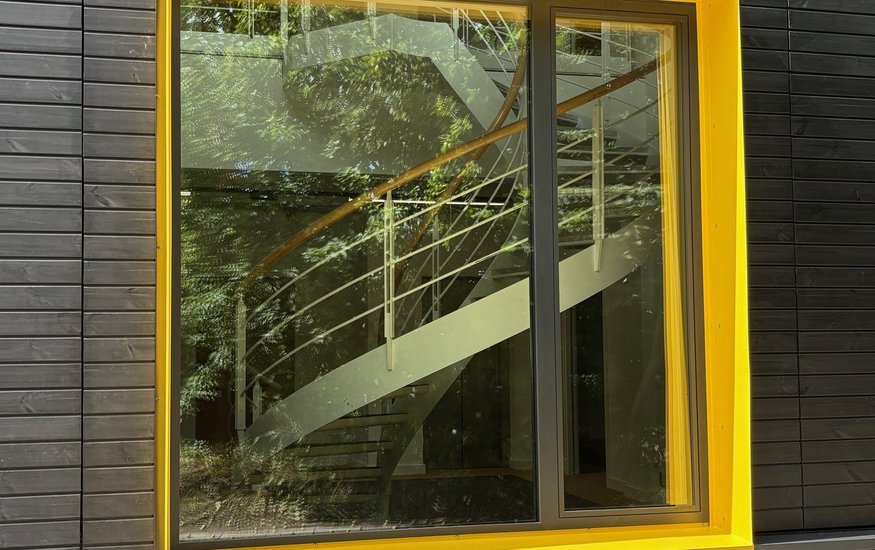
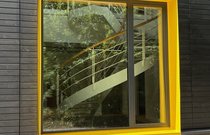
The 'Waste Not, Want Not House Extension' in East London designed by Whittaker Parsons is predominately built from recycled products, including the Medero Dark Grey K-BRIQ® which directly saved eight tonnes of UK construction waste from landfill and saved the project 95% embodied carbon compared to using traditional clay bricks.
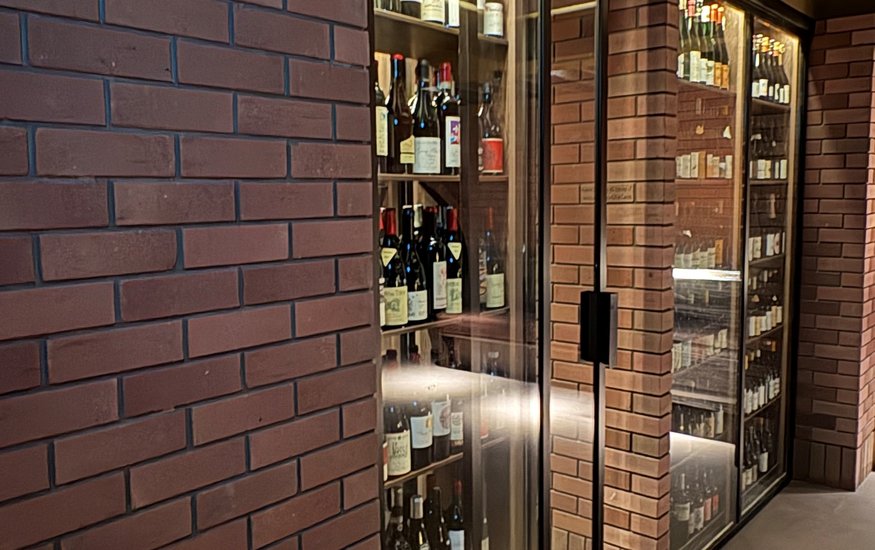
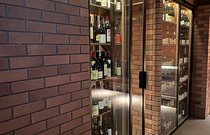
A high impact interior feature wall was built in a Passivhaus in Scotland again in the Medero Dark Grey K-BRIQ®. Forming a bold double-storey backdrop to the kitchen and family room, the feature wall also encompasses a stairwell to the upper floor where the wall continues into the bedroom space to create a contemporary finish. Using the K-BRIQ® ensured the Passivhaus also achieved low embodied carbon credentials as well as operating to high energy efficiency Passivhaus standards.
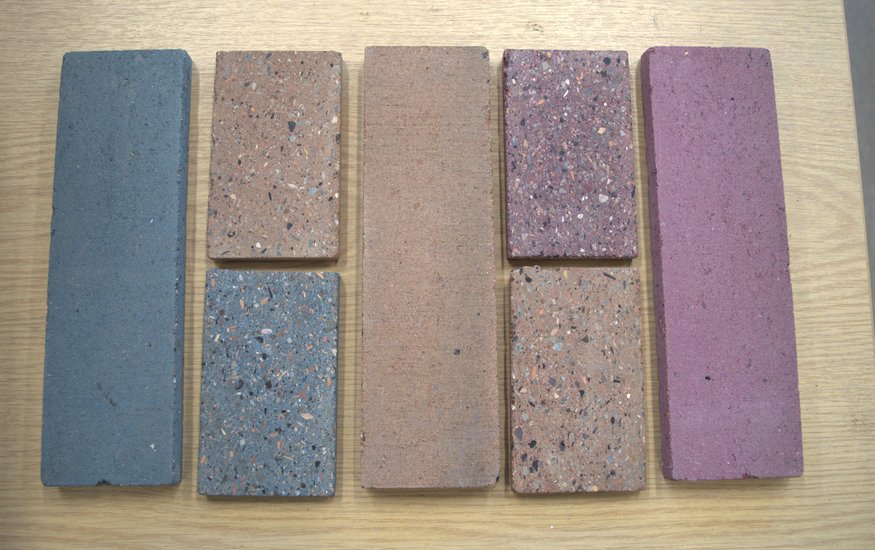
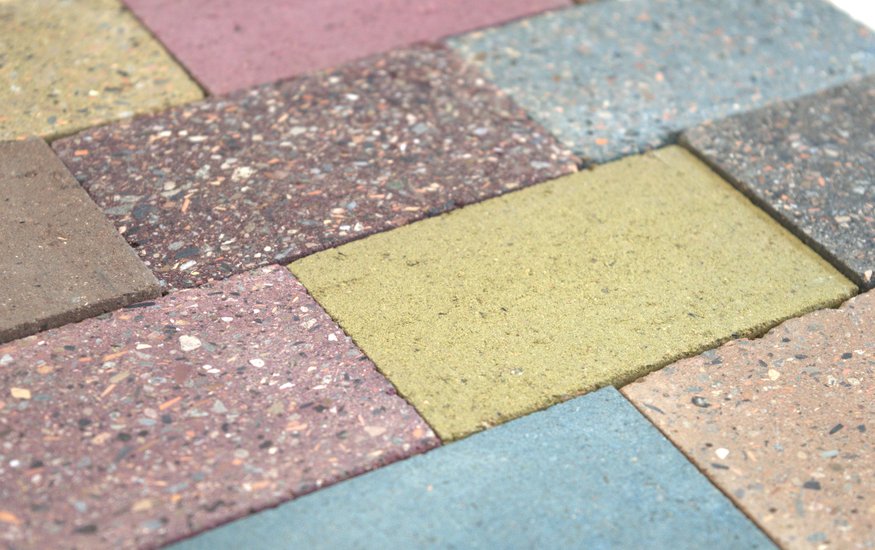
Where thinner, lighter cladding products are preferred over a full K-BRIQ®, Kenoteq’s K-SLIP™ and K-TILE™ products are the solution. Like the K-BRIQ®, they are available in 15 colours from contemporary greys to warm traditional burnt oranges, browns and reds to bolder cyans, mustards and greens. Coloured using recycled pigments, the products bring new design options for exterior and interior features.
The dual-faced products offer two design options – a compressed face or a terrazzo face (where the products’ recycled material story and history is more prominent) - the K-SLIP™ and K-TILE™ are being creatively used in residential interiors, bespoke furniture design, extension walls and for new build cladding where a more environmentally conscious design approach is being employed. They are also being used within retail, hospitality and commercial environments by leading brands who wish to reduce their carbon footprint and promote strong circular design principals.
You can view more K-BRIQ products in the Brick Library within the Education Zone and on a feature wall opposite the Finishes area of NSBRC.