NSBRC - Meadowcroft - Mike & Jo Lawrence
National Self Build & Renovation Centre Logo close Menu
Book Free Now

Meadowcroft - Mike & Jo Lawrence

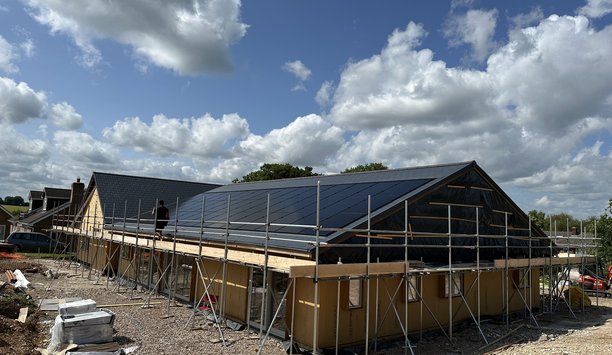
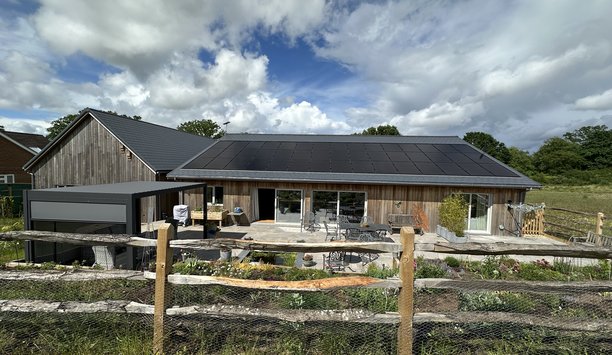
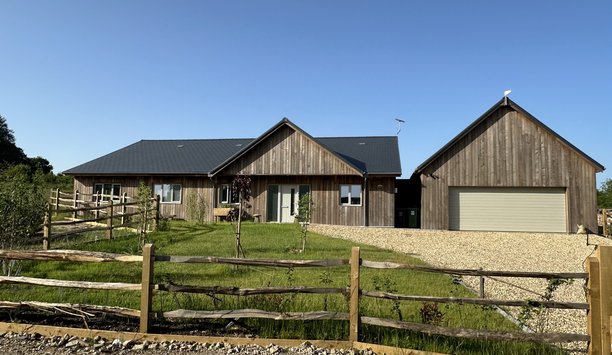
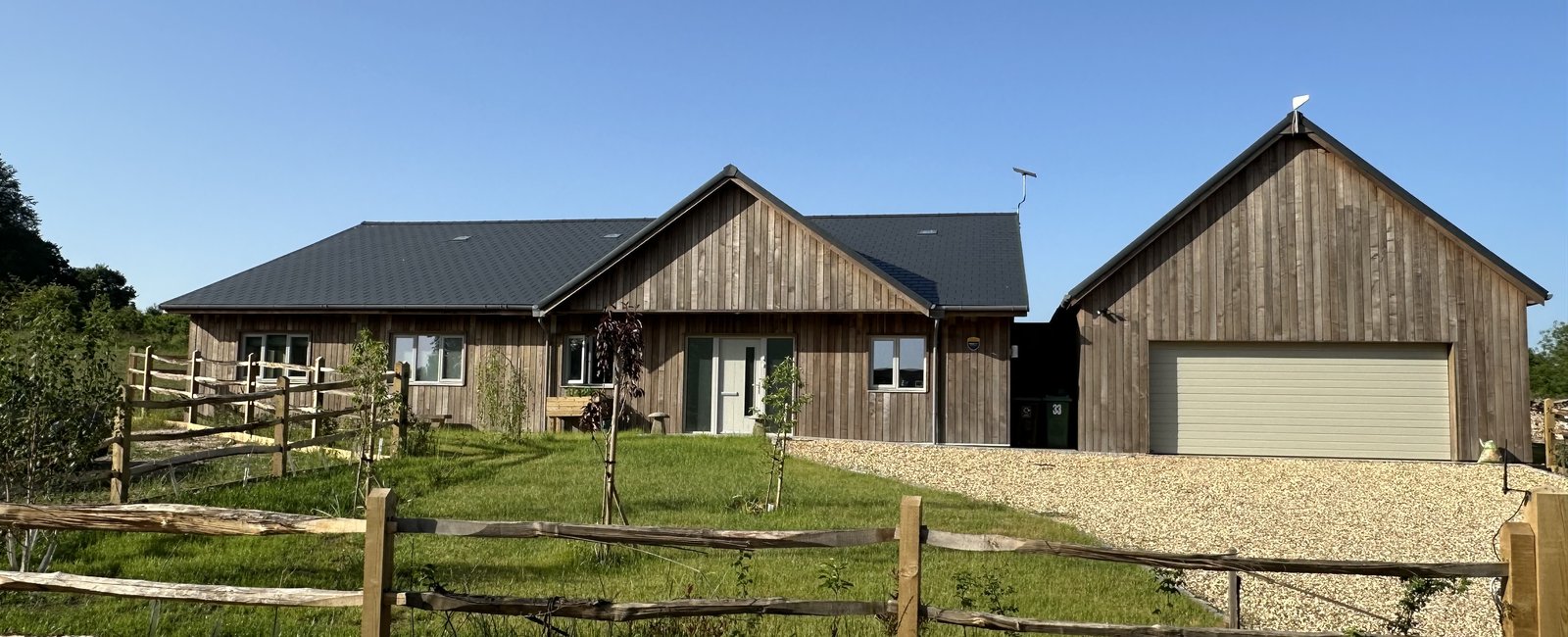
Meadowcroft showcases the remarkable 115-day journey from breaking ground to completion of an ultra-low-carbon self-build home, delivering net-negative carbon performance, exceptional energy efficiency and minimal running costs - all at a comparable cost to a traditional build.

Could you tell us any interesting facts or remarkable features about your project?

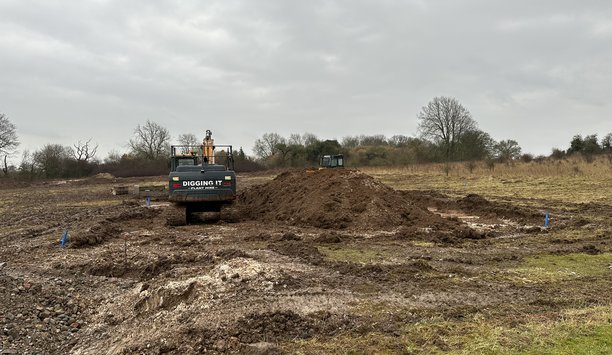
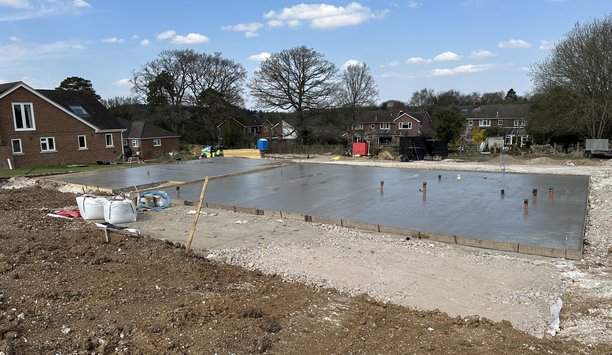
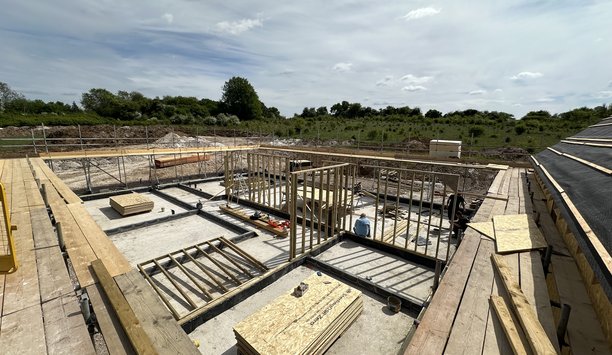
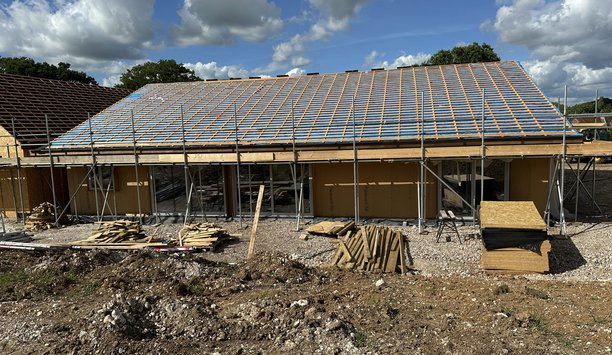
  • House took 115 days from breaking ground to completion - using ADEPT modular Construction system.
  • Foundations were compacted stone rather than concrete, saving over 12 tonnes of embodied carbon.
  • Cost was below average for the specification at £2,319.75 per m2 (Excluding landscaping and access road) (includes all fixtures & fittings & PV, MVHR, A/C).
  • Embodied carbon is -16.642 tonnes CO2e (i.e. net negative carbon).
  • EPC is 114 A (i.e. net negative in operational carbon) i.e.-1.7 tonnes CO2e emitted each year.
  • Annual operational energy approximately 7.75MW.
  • Annual generated energy approximately 9.25MW.

Mike & Jo’s Experience at the National Self Build & Renovation Centre

How many times have you visited The National Self Build and Renovation Centre before?

More than a dozen.

What would you say is the most helpful feature or resource at the NSBRC?

Wide range of products and systems on display.

Did you use any exhibitors at the NSBRC? If so, who?

Ecomerchant, Cladco Profiles, Kingspan Insulation, Rainwater Harvesting and Velux.

What did you enjoy most about your visit to the NSBRC?

Ready accessibility to information. Event days were particularly helpful.

Would you recommend the NSBRC to a friend, and if so, what aspects of the Centre would you recommend and why?

For me, The National Self Build and Renovation Show was most helpful as it allowed me to go into detail on the products with the exhibitors.


You can learn more here: Meadowcroft: Diary of an eco-build


Top tips for NSBRC Visitors

Do as much research as you have time to do, and then some more. Be aware that there are often many different ways to build a house, and you need to explore them all. Remember that the cheapest is not likely to give you the best outcome. You will be spending a great deal of your life in your new home and you need to ensure that it is built correctly, minimising future costs.

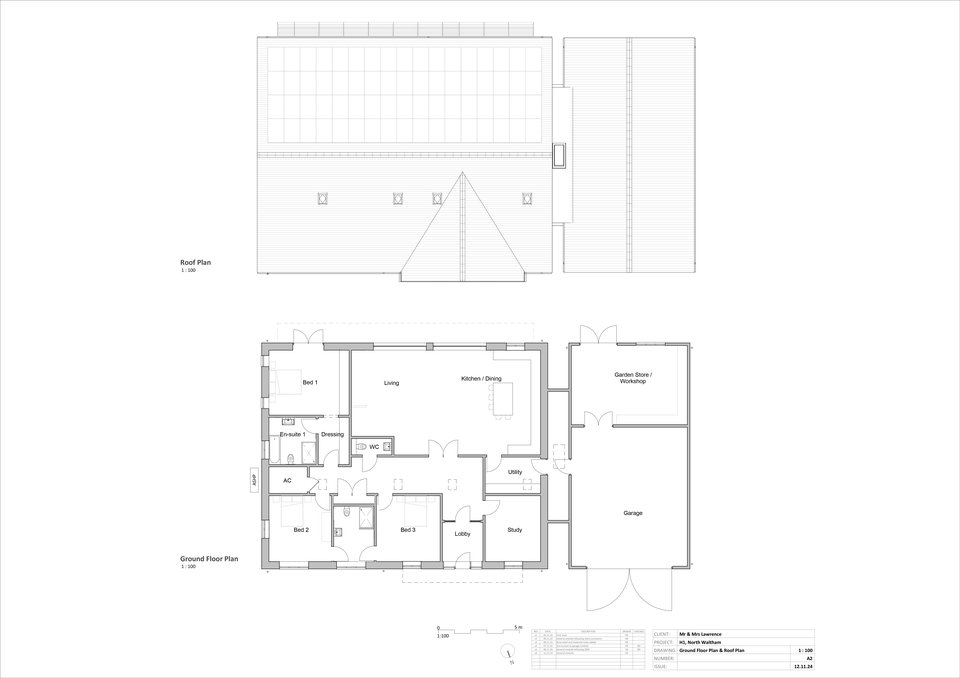
Ground Floor & Roof Plans
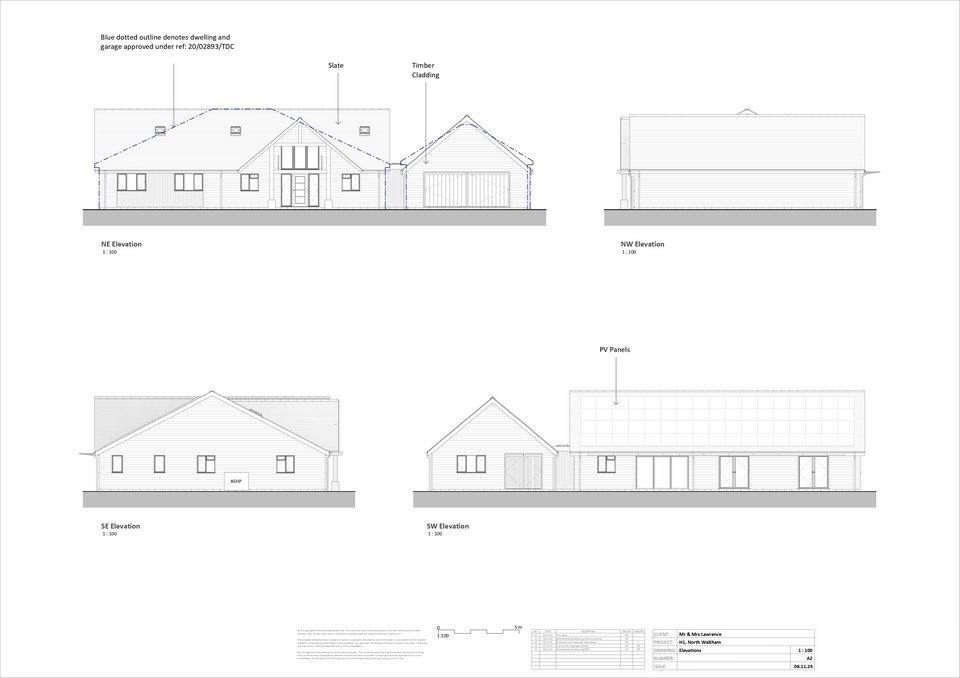
Elevations
Mike & Jo’s build experience:

What first inspired you to undertake project – what did you hope to achieve?

I wanted to construct a building that was net negative in embodied carbon, net negative in operational carbon, was suitable for living in in our old age, had a healthy indoor environment.

1

What was the cost & size of the land?

£250k, 1016m2 (0.1Ha).

2

How did you find the land? Do you have any tips for others currently searching for a plot?

Advertised online through Purplebricks.

3

Did you have any issues getting your planning permission granted or with building control? If so – why was this?

Planning already existed for the construction of this house and an adjacent plot. We needed to make some alterations to the consented plans and also to allow for phasing of the construction of the plots so that we could be independent of the other plot (which has still not commenced!). Building control was problematic because of the unconventional construction system, but we eventually located a company (Total Building Control) that was prepared to do the work.

4

Why did you choose your method of construction?

  1. Because it is a system that I was partly responsible for the design of through my company (Natural Building Systems Ltd)
  2. Because I wanted to build something that could be an exemplar for the construction system
  3. Because I know that the resulting house would be exceptionally energy efficient as well as managing internal air quality passively
5

Did you use a project manager, or did you choose to self project manage?

Using a design and build company proved to be too expensive as would have been a project manager since the build was unconventional they would have need a lot of hand holding. I therefore decided to self project manage, procure all materials myself, subcontract all specialist works and use a groundworker/general builder for labour.

6

What was your budget and were you able to stick to it?

£2,500 per m2. Final cost came out at £2,319.75 per m2 (Excluding landscaping and access road).

7

What is the value of the property now?

Approx £1m.

8

Did you reclaim the VAT, and if so, how much were you able to reclaim?

Yes, £32,647.88

9

What aspects of the process did you find stressful – and do you have any tips on how to avoid the pitfalls you encountered?

Ensuring that deliveries of materials arrived according to schedule was demanding but was successfully accomplished.

Biggest issue was probably when the groundworkers used the wrong specification for the compacted stone, and Building Control would not sign it off without sign off from the engineers. I need to get evidence from academic studies that the stone we used (6F7) was fit for purpose, and the engineer then signed it off.

Coordination of trades was challenging, but was done without any major issues.

Finding a contractor to blow loose wood fibre into the roof was very difficult, and I ended up paying well over the odds for that.

A great deal of time needed to be spent on procurement ensuring the optimum specification was met at the best price.

10

Advice to save money includes:

  1. If you can project manage it yourself and pay a daily rate for labour this will save in excess of £200k.
  2. Make sure that you scrupulously observe the conditions for CIL exemption. This is critical as it will otherwise cost in excess of £80k, and there are no excuses acceptable!
11

What did you find most enjoyable about working on your project?

All of it was good. I enjoyed the mental and physical stimulation and the camaraderie of working with a range of tradespeople.

12

What is one of your favourite features about your project?

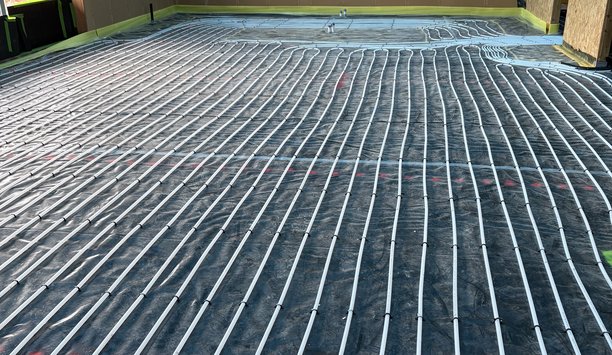
Generating more electricity than we use. We haven’t yet switched on the underfloor heating, even with sub-zero external temperatures the house always stayed above 20ºC.

The entire build was done with good humour, which we feel has made it into a happy house!

13

How did you tailor your home to suit your lifestyle?

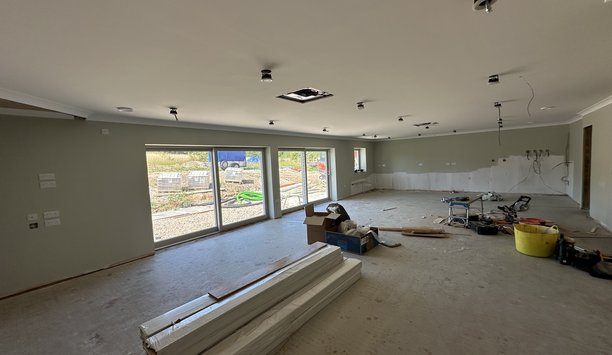
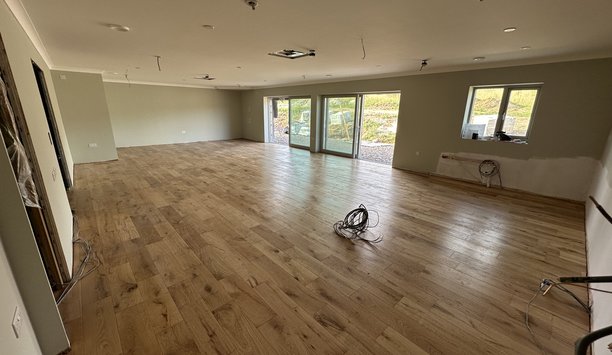
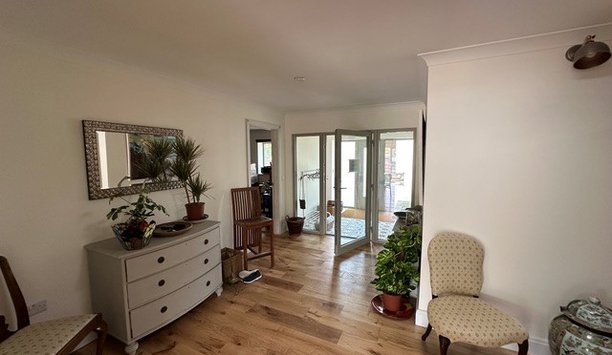
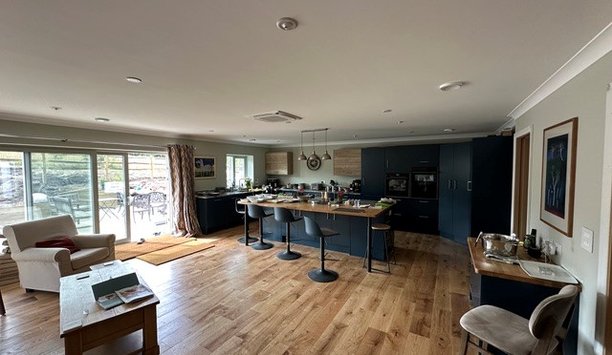
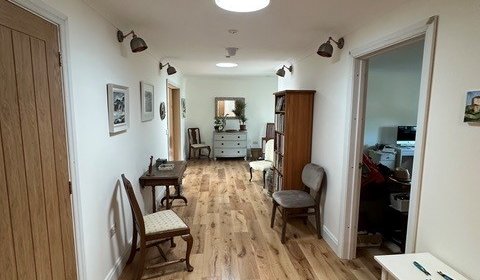
Tweaks to the original design through modelling each space and imagining how we would live and work in the spaces. We ended up creating a single large kitchen/diner/living space, a separate office for me, a good sized master suite, and a second bedroom with jack and jill bathroom adjoining a third bedroom/workspace for my wife. We made the central hallway very wide lit with sun tunnels to ensure a feeling of spaciousness throughout.

14

Is there a possibility you would ever undertake another project in the future?

This is the second house I have built (the last one a traditional build in the 1980s). At 75 I don’t imagine I will want to build again, although I am keen to project manage other builds using the ADEPT system for my company.

15

If so, is there anything you would do differently?

I don’t think so.

16

What would your top tip be for other NSBRC Visitors about to embark on their first self build or home improvement journey?

Do as much research as you have time to do, and then some more. Be aware that there are often many different ways to build a house, and you need to explore them all. Remember that the cheapest is not likely to give you the best outcome. You will be spending a great deal of your life in your new home and you need to ensure that it is built correctly, minimising future costs.

Consider that extra up-front costs might be worth it to reduce ongoing operational costs. For instance more money spent on insulation, triple gazing etc will greatly reduce future heating costs. Investment in PV and ASHP will pay off more quickly than you might expect.

17