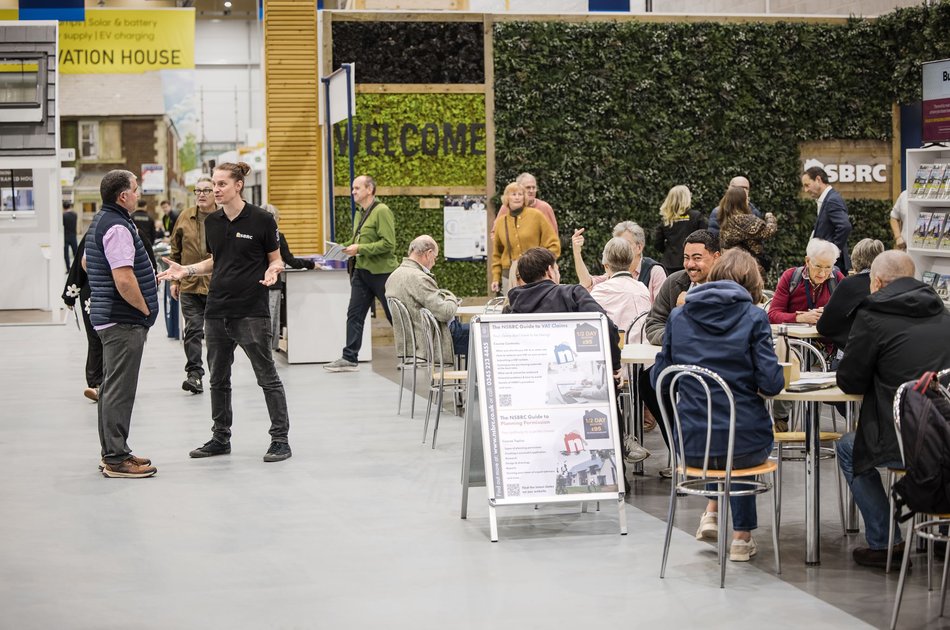

Visit the National Self Build & Renovation Show on Friday 9th October to listen to Georgina's talk 'Renovation Reality Check' in the Build It Theatre at 12:30.
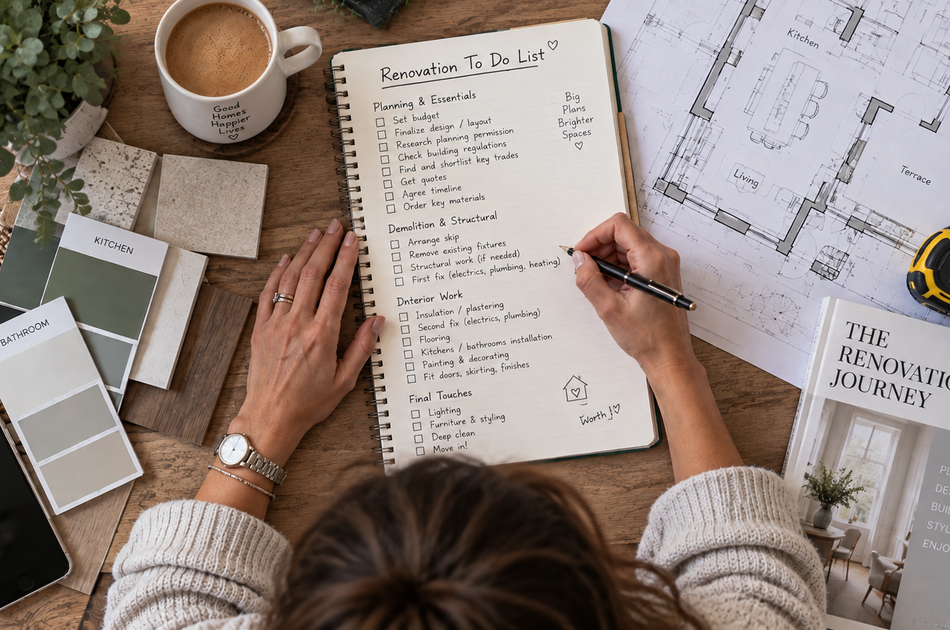
Get organised before you start
This sounds incredibly obvious, but honestly, get organised before the builder starts.
Create a spreadsheet that includes your budget, suppliers, tradespeople, quotes, costs, payments and deadlines. I’d also have a master to-do list - and keep adding to it as the project develops.
And please, keep all your important paperwork in one place. Quotes, invoices, plans, planning documents, guarantees, insurance details, product information and anything else you might need later.
I’d also recommend having a contingency budget. However carefully you plan, renovation projects have a habit of throwing something unexpected at you. A hidden structural problem, rotten joists, outdated wiring or simply a decision to upgrade something once you see it in situ can all add to the bill.
The more organised you are before work starts, the easier it is to keep track of what is happening - and the less likely you are to have an expensive meltdown halfway through.
Do your research - properly
It may sound obvious, but when I say research, I don't just mean Googling it, scrolling Instagram or asking your neighbour what they did.
Go and see things in person.
Visit showrooms, exhibitions and specialist centres. Talk to manufacturers and experts. Look at different construction methods and materials. Pick things up. Touch them. See how they work.
Somewhere like the National Self Build & Renovation Centre (NSBRC) is incredibly useful before you start because you can explore different products and construction methods and speak to people who understand the practicalities of building and renovating.
And this is particularly important when it comes to things like insulation, heating systems, windows, flooring, roofing and sustainable materials. Something might look fantastic online, but you need to understand how it performs, what it costs, how it is installed (and thre cost of that) and whether it is actually suitable for your property.
Because one of the most expensive things about renovating or self-building is not knowing what you don't know.
The more information you have at the beginning, the more informed your decisions will be - and that can save you a lot of money further down the line.
Find out about planning requirements early
Before you start drawing up your dream extension, find out exactly what your local authority might require.
You may decide to go for a pre-application consultation, but even before that, I would make some enquiries with your local planning department or check the council's requirements online.
Ask whether you need any surveys, reports or specialist assessments. These could include things such as ecological surveys, tree surveys, flood-risk assessments, structural information, heritage assessments or acoustic reports, depending on your property and what you're proposing.
And don't assume that because something seems relatively minor, you won't need additional information.
I learnt this one the hard way.
I have a property that backs onto a railway line and I was looking to extend it. I hadn't realised that the council required an acoustic report before it would even validate my planning application.
That one piece of information ended up causing months of delay - something that could potentially have been avoided by making a phone call at the very beginning.
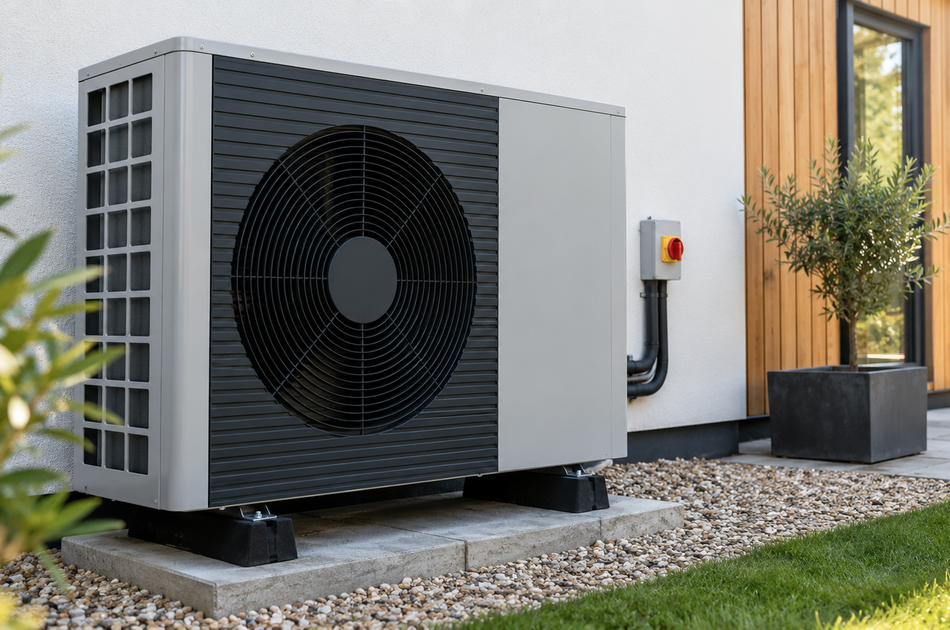
And it's not just extensions. Different requirements can apply to seemingly simple changes too - for example, the installation of certain heating equipment can raise planning or building-control considerations depending on the circumstances.
So ask early.
A five-minute conversation with the council could save you months of frustration.
Make the big decisions early
This is where I think your architect can be particularly valuable.
Before you get too far into the design, talk through the things that could have a major impact on the building as a whole.
Think about:
- Energy efficiency
- Insulation
- Heating systems
- Underfloor heating
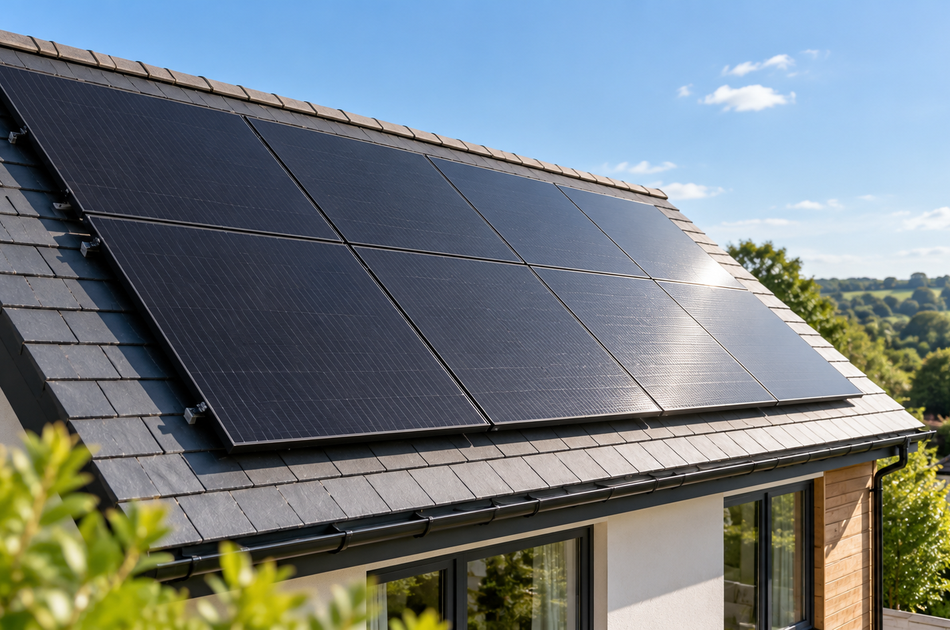
- Solar panels
- Ventilation
- Windows and glazing
- Sustainable construction materials
- Water efficiency
- Lighting and electrics
- Battery storage
- EV charging
- Roofing
- Flooring
And don't forget the things that might seem much more cosmetic.
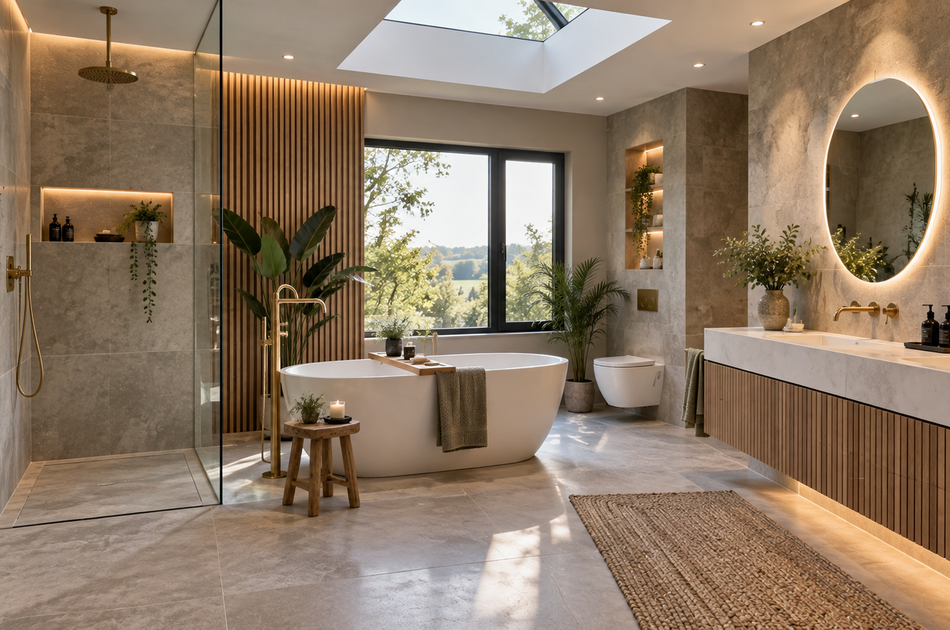
Even your bathroom design needs thinking about early. If you decide you want the toilet somewhere completely different, for example, you may need to move the soil stack - and that is much easier to incorporate into the design at the beginning than it is once everything has been built.
The same goes for sockets, lighting, radiators, data points and built-in storage.
Make the big decisions early, because changing them later can be expensive.
This is also the point where I would think about future-proofing your home. Don't just think about what works for you today. Think about how you might use the house in five or ten years and whether you can make sensible changes now that will save you disruption later.
Vet your tradespeople properly
You don't necessarily need the best builder.
You need the best builder for your project.
Just because your friend used someone and said they were brilliant doesn't necessarily mean they're right for you. A builder who specialises in new-build houses may not be the right person for a complex period renovation, and someone who usually works on small refurbishments may not have the experience required for a major extension.
Look at their previous work. Ideally, see it in person.
Ask for references and actually follow them up. Find out what the builder was like to work with, whether the project stayed on budget and how they dealt with problems when they arose.
Check their relevant qualifications, insurance and any memberships or accreditations that are appropriate to the work.
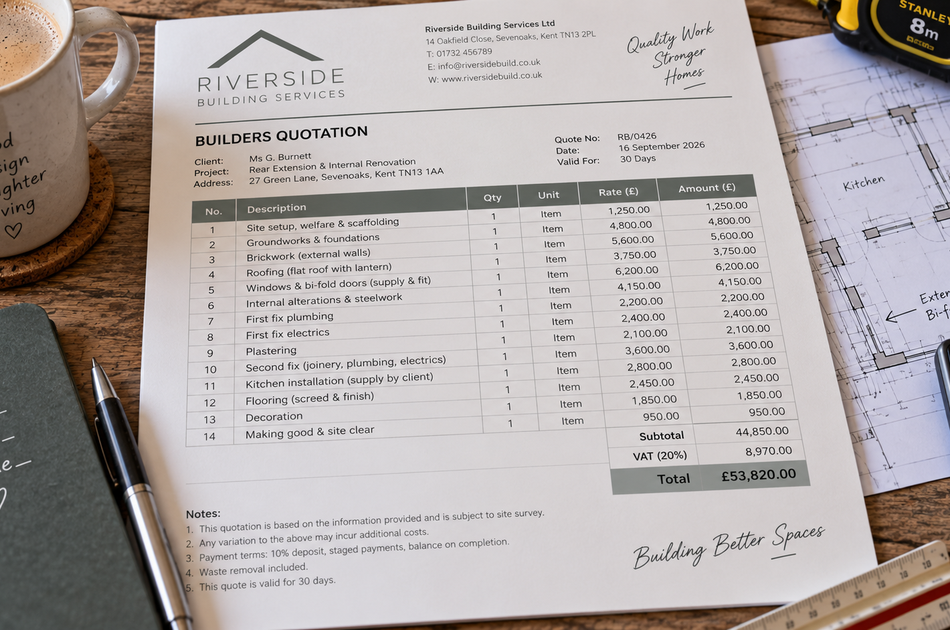
And when you receive a quote, don't just look at the bottom line.
Ask exactly what is included - and, just as importantly, what isn't.
Does it include preparation? Waste removal? Scaffolding? Making good? Decorating? Groundworks? Connections? Finishing? Who is supplying the materials?
A cheap quote can suddenly become a very expensive one if there are lots of exclusions.
I'd also recommend getting everything agreed in writing, including the scope of work, payment schedule, expected timings and how variations will be dealt with. If something changes during the build, make sure you understand the cost before the work is carried out.
And finally… breathe.
A renovation or self-build is exciting, but it can also be incredibly stressful.
There will almost certainly be moments when something goes wrong, something costs more than you expected or you suddenly discover that the thing you thought would take a day is going to take a week.
Try to remember that this is a project, not a test of your ability to remain calm at all times!
Plan as much as you can. Ask questions. Don't be afraid to say you don't understand something. And if you're unsure, get advice before making a decision rather than trying to fix an expensive mistake later.
Because ultimately, the aim is to end up with a home that works brilliantly for you - without completely losing the plot getting there.
And then?
Well, then you can finally sit down, admire it and say, "I'd never do that again."
Until, of course, you start planning the next project…