What does the new NPPF mean for self-build?
The new NPPF continues to recognise the importance of self build and custom build housing, including the contribution that small sites can make to housing delivery. This is particularly relevant if you are looking for, or already own:
- A self-build plot
- A large garden
- An infill site
- Brownfield land
- A redundant building
- Land within or adjoining a settlement
- A small residential development opportunity
More support for small residential sites
The new NPPF places greater emphasis on making efficient use of land and delivering housing through small and medium-sized sites. For homeowners and landowners, this means it may be worth reassessing land that was previously considered too small or difficult to develop.
A garden, infill plot or underused parcel of land could potentially provide:
- A new dwelling
- A replacement home
- A self-build plot
- Several new homes
- A small residential scheme
However, planning permission is never guaranteed. Site-specific matters such as access, design, character, ecology, flooding and neighbouring amenity will remain important.
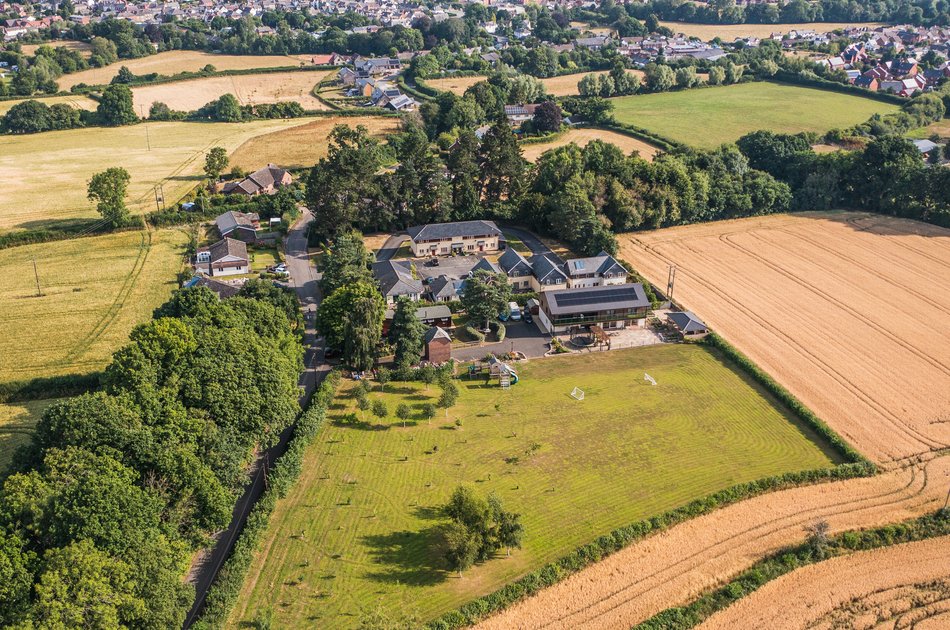
What about Green Belt and Grey Belt land?
The new NPPF continues the Government's approach to Grey Belt and appropriate Green Belt development.
This does not mean that all Green Belt land can be developed. However, landowners with sites close to settlements or transport links should consider whether the new national policy changes the planning prospects of their land.
Mark Doodes Planning Consultants have experience in assessing and promoting residential development opportunities, including Green Belt and self-build projects.

Could your land now have residential development potential?
The new NPPF is a good reason to reassess your site. If you own a garden, paddock, redundant building, infill plot or other land that could accommodate a new home, our planning consultants can assess its potential under the new planning framework.
If your site has previously been refused, or considered unsuitable, for residential development, now could be the right time to have it reassessed against the new NPPF 2026. Contact Mark Doodes Planning Consultants to see how they can help you exploit the potential of the NPPF 2026.
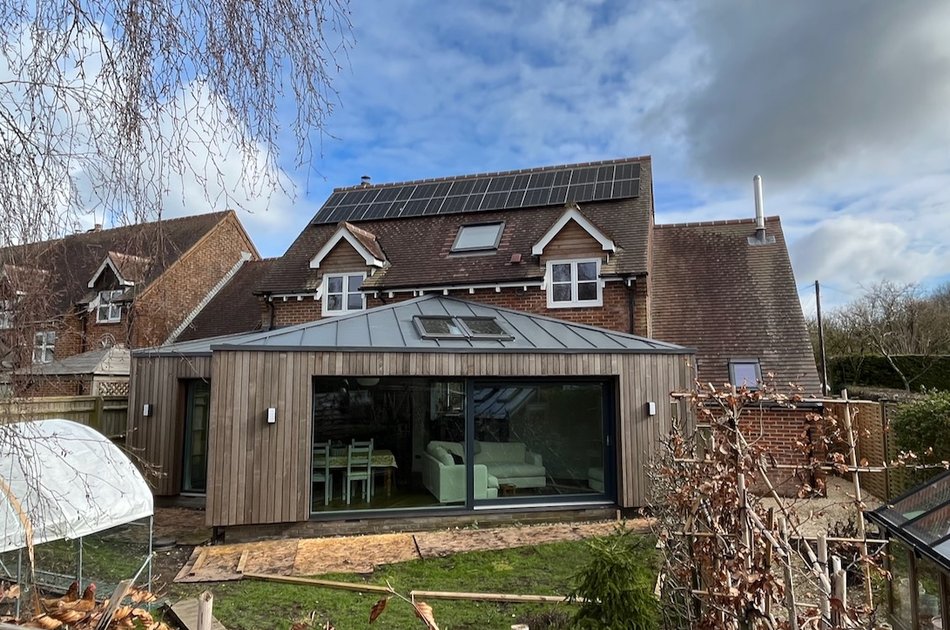
The key takeaway
For self-builders, homeowners and small developers, the NPPF 2026 provides stronger support for:
- Self-build and custom-build homes
- Small residential sites
- Infill development
- Brownfield redevelopment
- Efficient use of land
- Residential development in sustainable locations
- Housing around well-connected railway stations
- Appropriate Grey Belt and Green Belt development
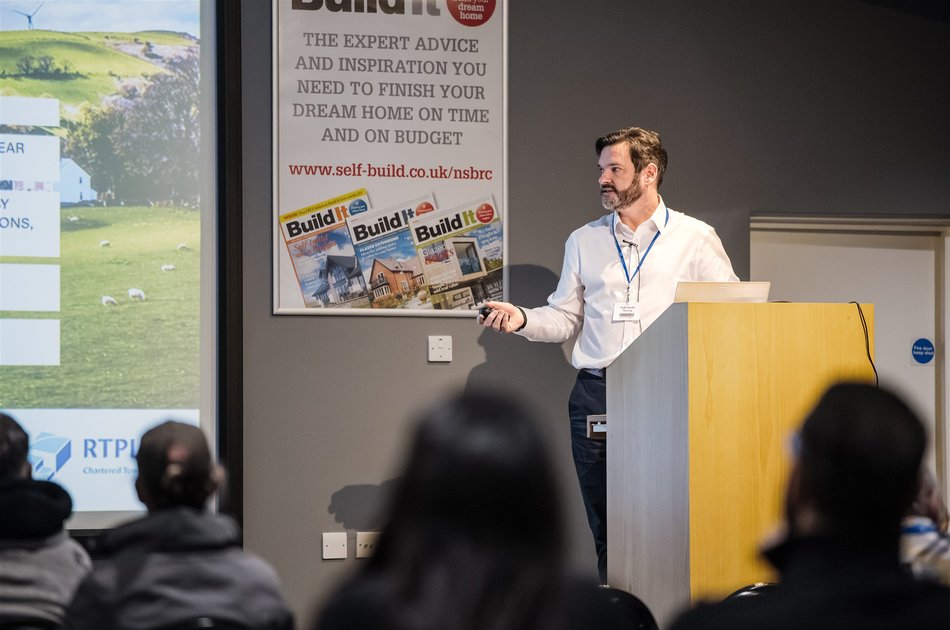
The NSBRC Guide to Planning Permission
To take your knowledge to the next level, you can also sign up to our half-day course, led by independent planning expert Mark Doodes MRTPI. Mark is a qualified, chartered and insured Town Planner with 22+ years’ experience in preparing and assessing planning applications including a decade as a planning officer.
The course covers types of planning permission, creating a successful application, research, design & drawings, the appeals process, reports, forming your team of expert advisors, legislation & regulation, conservation areas & geographic variations.
Find out more, including upcoming course dates, and to book your space.
This article is brought to you in partnership with Mark Doodes Planning Consultants, and provides a general overview of the new NPPF, which should not be treated as planning or legal advice. Individual sites will still need to be assessed against the full Framework, the development plan and other relevant planning considerations.